

Introduction
Water intrusion in a phone screen can lead to severe damage, affecting the device’s functionality and lifespan. Immediate and informed action can mitigate these risks effectively. This article provides step-by-step guidance on safely removing water from your phone screen, presents preventive measures for future protection, and highlights when professional help might be necessary. Equip yourself with the knowledge to address water damage and safeguard your smartphone.
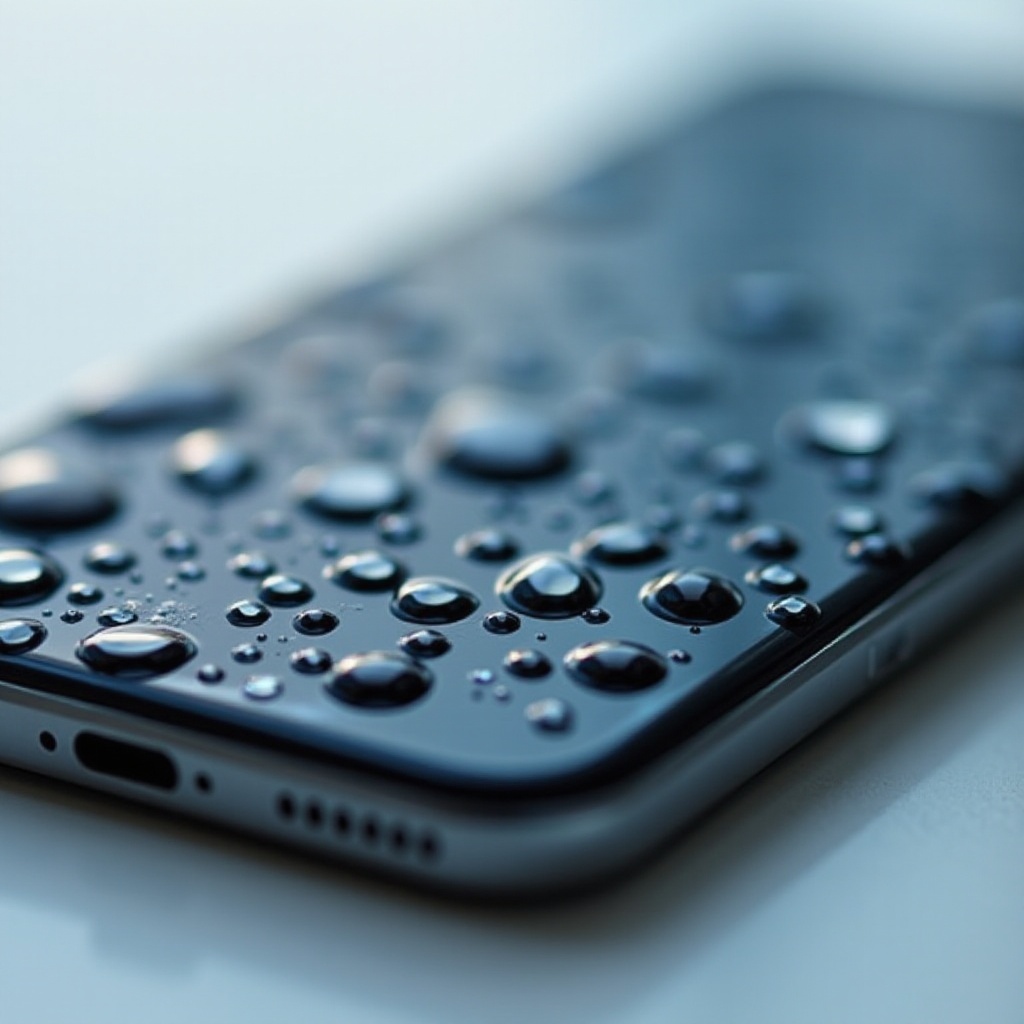
Immediate Actions to Take When Water Contacts Your Phone
If your phone is exposed to water, swift action is imperative to minimize damage risk:
-
Powering Down Your Device: Turn off your phone immediately upon exposure to prevent short circuits or further electrical damage.
-
Removing Protective Accessories: Promptly remove any cases, screen protectors, or external accessories. These items can trap moisture, worsening the damage.
Setting these initial conditions properly ensures you are ready to implement further effective DIY methods that can help dry your device thoroughly.
Effective DIY Methods to Remove Water from Phone Screen
With your phone off and accessories removed, focus on these DIY techniques to extract moisture:
-
Using Absorbent Materials Like Rice and Silica Gel: Submerge your phone in a container filled with rice or silica gel packets. These substances help absorb moisture over a period of 24-48 hours.
-
Air Drying Techniques: Position your device in a location with good air circulation. Resist the temptation to use a hairdryer or other heat sources, as excessive heat can harm components.
-
Vacuum and Technology-Based Solutions: Utilizing a small vacuum can aid in gently removing moisture from crevices. Additional tools such as UV or ultrasonic devices can expedite the drying process efficiently.
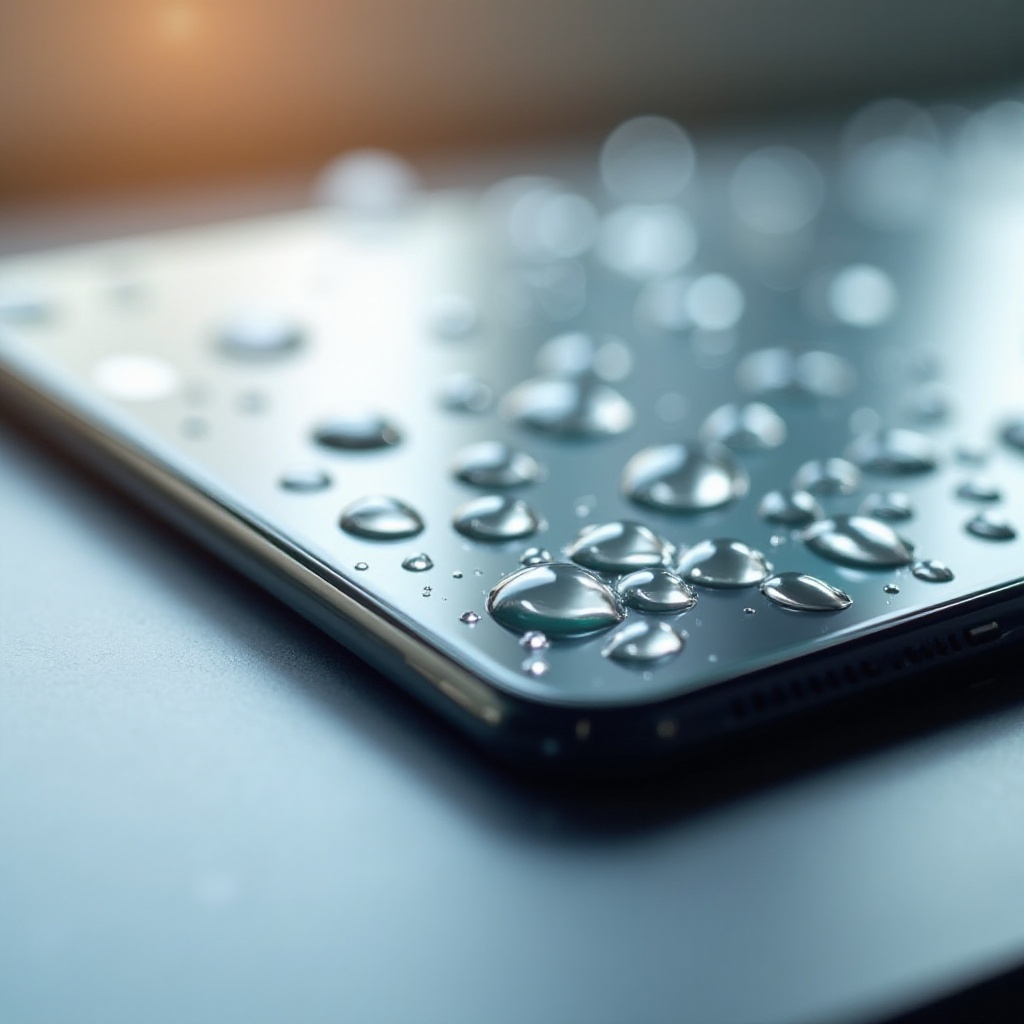
Common Mistakes to Avoid in Water Damage Situations
While these DIY methods are beneficial, certain actions could make the situation worse:
-
Avoiding Heat and Sunlight Exposure: Heat can damage electronic components. Avoid using hairdryers or placing your phone in direct sunlight.
-
Not Falling for Internet Myths: Some online advice can be misleading, such as microwaving your device or using an oven, which can damage your phone.
Awareness of these common mistakes will prevent unnecessary damage, ensuring the effectiveness of recovery attempts or preparations for professional intervention.
Professional Help: When and Where to Seek It
Should DIY strategies fail, or if there are persistent issues, professional assistance is advisable:
-
Monitoring Persistent Problems: If your phone continues to exhibit signs of water damage despite attempts to fix it, consider consulting professionals who specialize in electronic device repair.
-
Evaluating Cost vs. Benefit: Weigh repair costs against the potential need for device replacement, taking into account warranties or insurance coverage.
Recognizing the point at which professional help is warranted can save you from further damage and ensure your device is properly handled.

Preventive Measures Against Future Water Damage
Once your device is restored, consider implementing preventive strategies to avoid future incidents:
-
Investing in Waterproof Cases: Select durable, waterproof cases that offer comprehensive protection.
-
Developing Smart Usage Habits: Be mindful when using your phone near wet environments like bathrooms or kitchens and establish habits that prioritize device safety.
These preventive measures serve as a proactive approach, reducing the likelihood of encountering water damage and preserving device longevity.
Conclusion
In summary, handling water exposure on a phone screen effectively entails rapid and informed action. By implementing immediate preventative measures, employing successful DIY methods, avoiding common errors, considering professional help when necessary, and applying preventive strategies, you can significantly improve your device’s resistance to water damage while promoting its extended use.
Frequently Asked Questions
What should I do immediately if my phone screen gets wet?
Turn off the device and remove accessories to prevent additional moisture exposure.
Does putting my phone in rice really help remove water?
Rice can absorb moisture, though it’s best used in conjunction with other methods for optimal results.
How can I prevent water damage to my phone in the future?
Investing in a waterproof case and adopting smart usage habits can help protect your phone from water damage.